Total Credits: 20.0 including 20.0 AOA Category 1-A, 20.0 AMA PRA Category 1
AOMA Annual Fall Seminar - On-Demand
The Road to the Oasis: Insights. Strategies. Support for the Journey Ahead
Available November 1 through December 31
Accreditation
The Arizona Osteopathic Medical Association (AOMA) is accredited by the American Osteopathic Association (AOA) to provide osteopathic continuing medical education for physicians.
The AOMA designates this program for a maximum of 20.0 hours of AOA Category 1-A credits and will report CME and specialty credits commensurate with the extent of the physician's participation in this activity.
The Arizona Osteopathic Medical Association (AOMA) is accredited by the Accreditation Council for Continuing Medical Education (ACCME) to provide continuing medical education for physicians.
The AOMA designates this enduring material for a maximum of 20.0 AMA PRA Category 1 Credits™. Physicians should claim only the credit commensurate with the extent of their participation in the activity.
AOMA Grievance Policy: The Arizona Osteopathic Medical Association strives to provide continuing medical education programs that fulfill the needs of attendees and meet the requirements of AOA Accreditation and ACCME Accreditation. Comments, questions, or complaints should be submitted in writing to Teresa Roland, Director of Education, by mail to AOMA, 3039 W. Peoria Ave, Suite C102-158, Phoenix, AZ 85029, or email teresa@azosteo.org.
| Buprenorphine: Unique Among Opioids; Misunderstood; and Under Utilized (1.1 MB) | 27 Pages | Download |
| Workers' Compensation Essentials for Healthcare Providers (4.7 MB) | 41 Pages | Download |
| An Osteopathic Approach to Temporomandibular Disorders (3 MB) | 42 Pages | Download |
| Managing Endemic Mould Infections (Coccidioidomycosis) (2.3 MB) | 15 Pages | Download |
| Non-Opioid and Opioid Treatment Options in Chronic Pain (1 MB) | 12 Pages | Download |
| Sweet Turns Sour: Youth Type 2 Diabetes in Focus - Part 2 (1.3 MB) | 7 Pages | Download |
| A clinic on wheels: How mobile medicine breaks barriers to carrier for homeless youth (3 MB) | 31 Pages | Download |
| The GLP-1 Revolution: Translating Evidence into Practice (339.8 KB) | 57 Pages | Download |
| Osteopathic Approach to Children with Medical Complexity (2.3 MB) | 15 Pages | Download |
| Medical Fads: The Sequel (2 MB) | 19 Pages | Download |
| Psychological Safety in High Stress Environment (1.1 MB) | 1 Pages | Download |
| Lymphoma for Primary Care: Diagnosis, Treatment, Cellular Therapies, and Survivorship (1.1 MB) | 14 Pages | Download |
| Modern Role of the Provider in the Evolving Landscape of Eating Disorders (843.9 KB) | 9 Pages | Download |
| Atrial Fibrillation in Primary Care (806.6 KB) | 19 Pages | Download |
| Acid-Suppressant Drug Interactions: Current Evidence and Practical Prescribing Strategies (758.3 KB) | 15 Pages | Download |
| Adult Immunization and Viral Disease Management (1.2 MB) | 14 Pages | Download |
| Postmenopausal Osteoporosis: Diagnosis and Management (529.8 KB) | 15 Pages | Download |

Dr. Steven Boles received his D.O. degree from C.O.M.S. in 1981; interned at Phoenix General Hospital and then received additional residency training in Internal Medicine.
He was trained in Addiction Medicine at St. Luke’s Behavioral Health Center in Phoenix, AZ, from April 1999 through August 2000, by C.J. Shaw, M.D., and the nursing staff.
Dr. Boles was initially certified in Addiction Medicine by the
American Society of Addiction Medicine (ASAM), in 2000, and then recertified in 2008. He became an ASAM Fellow in 4/2008, after 8 years of preparation.
Dr. Boles was in the first group of physicians that were granted Board Certification and Diplomate status by the American Board of Addiction Medicine, in 2009.
He received 2 Board Certifications from the AOBFP:
He has developed and been privileged to teach an Addiction Medicine Course to 1st & 2nd-year Osteopathic medical students at AZCOM-Midwestern University for the last 26 years.
He has maintained his practice for over 42 years in Phoenix, AZ.,
where he is supported by his beautiful wife Natalie, and their 4 adult children.
He has become a dog lover over all this time and has 3 miniature Australian Shepherds.

Myketa "Keta" Coker, Program/Project Specialist, Medical Resource Office (MRO) Division, Industrial Commission of Arizona (ICA)
With over 13 years of dedicated service at the ICA, Myketa has spent the majority of her tenure in the Claims Division. Having worked across multiple areas within the division, her diverse background makes her a vital asset and a leading voice in the field. She brings a wealth of specialized knowledge and extensive hands-on experience in comprehensive claims management.

Between 2023 and 2026, Dr. Craft served as the Founding Dean and Chief Academic Officer at The Valley College of Osteopathic Medicine in Phoenix, AZ. This school is a labor of love for Dr. Craft who was raised in Phoenix and completed her undergraduate education at Arizona State University.
Between 2017 and 2023, Dr. Craft served as a consultant in the areas of accreditation and curriculum development. She has assisted osteopathic medical schools with both the documentation and site visit preparation, as well as working on new school and campus development.
From 2015 – 2017, Dr. Craft served as the Vice President of Accreditation at the American Osteopathic Association. In this role, she served as Secretary for the Commission on Osteopathic College Accreditation (COCA), the only accrediting agency for the 50 plus training locations for doctors of osteopathic medicine in the United States.
Prior to joining the American Osteopathic Association, Dr. Craft served as Associate Dean for Academic Affairs at the New York Institute of Technology College of Osteopathic Medicine. She has also served as the Director of Medical Education for a new GME program at Samaritan Health Services in Corvallis, OR and as Medical Director for an integrated health network at Samaritan Health Plans.
She completed her osteopathic medicine degree at the Kirksville College of Osteopathic Medicine (now ATSU-KCOM) and her MBA at the University of Phoenix. She completed residency training at Phoenix Children’s Hospital and fellowship in Neonatal and Pediatric Intensive Care at the University of California, San Diego and Rady Children’s Hospital.

Ceferino Cruz, DO is a Clinical Assistant Professor and Core Faculty member at Midwestern University (AZCOM) in Glendale, Arizona. Board certified in Family Medicine and Osteopathic Neuromusculoskeletal Medicine (ONMM), he completed his medical education at the Texas College of Osteopathic Medicine and his residency at Medical City Arlington before pursuing advanced ONMM training at Midwestern University. Currently, he practices at the Midwestern Multispecialty Clinic, where he integrates osteopathic manipulative medicine with regenerative therapies like prolotherapy and platelet-rich plasma (PRP) to treat complex neuromusculoskeletal conditions and optimize patient function.
In addition to his clinical work, Dr. Cruz is a dedicated educator serving as a preceptor for medical students and residents at AZCOM, where he teaches osteopathic principles and clinical reasoning. He also serves as the Vice President of the Arizona Academy of Osteopathy (AZAO). In this leadership role, he is committed to building a collaborative community of students, residents, and physicians to advance the field of osteopathic medicine.

Dr. Fariba M. Donovan received her medical degree at The Shiraz University of Medical Sciences in Iran and completed her internal Medicine residency at Good Samaritan Hospital in Cincinnati, Ohio. She then completed her infectious disease fellowship at the University of South Florida in Tampa, Florida.
During her graduate studies in Japan after her medical school her research focused on C. albicans virulence factors. She later in postdoctoral fellowship focused on Coccidioides urease as a virulence factor and was able to mutate the gene in Coccidioides and constructed a less virulent strain.
She joined the faculty at the University of Arizona in 2017 and has been focusing on early pathogen-host interaction in coccidioidomycosis. She is studying early coccidioidomycosis events to better understand altered or dysfunctional metabolic pathways as evidence of genetic alterations and a risk factor for severe coccidioidomycosis or disseminated coccidioidomycosis (DCM).
Her clinical research focuses on the earlier and improved diagnosis of Valley fever. Her clinical research goals include the development of more rapid, reliable, and cost-effective Valley fever point-of-care testing which will speed up and improve diagnostic accuracy and antimicrobial stewardship. She completed a prospective study evaluating a rapid LFA test for Valley fever diagnosis. Her earlier work has demonstrated the human and financial burden of delays in Valley fever diagnosis. Her work epitomizes the goal of taking basic research and applying it at the bedside for the benefit of the entire community. Additionally, she is developing plans to study the host innate immune response to Coccidioides with a focus on the early events in coccidioidomycosis.

Patrick W. Hogan, DO is a double-certified in Pain Management and Anesthesiology specialist (American Board of Anesthesiology). Dr. Hogan and his business partner, Dr. Tristan Pico, MD founded a large multidisciplinary pain management practice in the Phoenix Metro area called “AZ Pain Doctors”. They have 9 locations valley-wide.
Dr. Hogan primarily focuses on interventional pain management techniques, but his practice offers a full spectrum of acute and chronic pain management, including medication management.
Dr. Hogan completed medical school at Midwestern University/AZ College of Osteopathic Medicine, and then completed residency and pain management fellowship training at the Cleveland Clinic in Ohio.
Dr. Hogan is married with 3 children and enjoys quiet time on the beach and skiing with his children.

Dr. Horlick is a board-certified pediatrician and diplomate of the American Board of Obesity Medicine with 27+ years of clinical experience. She provides holistic, comprehensive, individualized care with a focus on both physical and emotional well-being. Her approach to pediatrics is rooted in building strong partnerships with children, adolescents, and their families.
She emphasizes the importance of a balanced lifestyle that includes nutrition, physical activity, restorative sleep, and stress management. These pillars are central to both prevention and treatment in her practice. She believes that each patient deserves care that reflects their unique needs, circumstances, and strengths.
As an Assistant Professor of Pediatrics at Midwestern University, she is passionate about teaching future clinicians to approach care with the same whole-child philosophy—one that is grounded in science, compassion, and respect for the family unit.

Wendy Huang, MD specializes in Pediatric Ophthalmology, Adult Strabismus, Uveitis, and Cornea and External Disease. She attended medical school at Rush University in Chicago and went on to complete her ophthalmology residency at The New York Eye and Ear Infirmary. She further specialized with a fellowship in Pediatric Ophthalmology and Adult Strabismus at the Children’s Hospital of Los Angeles and The Doheny Eye Institute/USC. After a decade in practice, she obtained further expertise and completed a fellowship in Uveitis and Cornea and External Disease at The University of California Irvine- Gavin Herbert Eye Institute. Currently, she practices her full complement of specialties in Phoenix, Arizona at Retina Macula Institute of Arizona and Midwestern University with affiliations with the University of Arizona and Phoenix Children’s Hospital. In addition, she is co-founder of the nonprofit Global Eyecare Academy, which supplies, supports, and runs missions to Mexico in partnership with SEE International, Lions Club International, AZVOSH International, and several location-based charitable organizations.
When not immersed in the world of ophthalmology, she enjoys time with her husband and two kids.

Dr. Gary Kirkilas is a pediatrician with a unique practice. His office is a 40 foot mobile medical unit that he drives to homeless shelters in Phoenix providing free medical care to children and families. He serves as a spokesperson for the American Academy of Pediatrics, giving commentary on trending pediatric issues in the media. As a spokesperson, he is often called to speak on providing healthcare via mobile medicine, the state of homelessness in youth, changing trends in youth substance use, how parents should speak to kids about drugs, the effects of cannabis advertising on children, and how healthcare providers can advocate for themselves and their patients. He has four wonderful (most of the time) children and four cuddly (almost never) cats.

Dr. Kimberly Klatt is dual board certified in family medicine and obesity medicine. After earning her bachelor’s degree from the University of Minnesota-Rochester, she moved to Phoenix, AZ, where she completed medical school at Arizona College of Osteopathic Medicine.
During her family medicine residency, Dr. Klatt developed a passion for metabolic health after seeing many patients struggle to manage chronic conditions with medications alone. This inspired her to pursue additional training in obesity medicine so that she could provide more comprehensive, personalized care.
Dr. Klatt is a faculty member at Midwestern University, where she practices both primary care and obesity medicine. She is passionate about helping patients improve their health through sustainable, evidence-based approaches.

Dr. Joanna Kramer earned her BS in Biology at Ursinus College, her MPH from University of Nevada Las Vegas, and her DO degree from Touro University Nevada. She then completed a dually accredited AOA/ACGME pediatric residency and a chief residency at Nationwide Children’s Hospital in Columbus, Ohio. She is a faculty physician in the Phoenix Children’s Hospital Division of Primary, Complex Care, and Adolescent Medicine. She is an associate professor of clinical medicine at the University of Arizona College of Medicine Phoenix and a clinical instructor at Mayo Alix School of Medicine Phoenix. She is core faculty for the Phoenix Children’s Pediatric Residency Program Alliance, rotation director and track director for osteopathic education, and creator of the Pediatric Osteopathic Didactic Series. She serves on the executive committee of the American Academy of Pediatrics Section on Osteopathic Pediatricians. She is passionate about resident education, osteopathic research, public health research, and quality improvement.

Dr. Levitt is an adult and forensic psychiatrist. She has been working in Arizona for almost 36 years. She is an attending psychiatrist at Valleywise Behavioral Health and has a private practice offering forensic consultations.
Dr. Levitt graduated from residency at Maricopa Medical Center (now Valleywise.) Her practice as an adult psychiatrist has always focused on the Seriously Mentally Ill. She has worked in various hospitals both public and private. She worked in the correctional field for over 10 years. Her forensic practice currently focusses on fitness for duty and guardianship work, but she also continues to provide consultation in the civil and criminal arena.

Dr. Lopa Misra is an Associate Professor of Anesthesiology and Perioperative Medicine at Mayo Clinic in Phoenix, Arizona. Dr. Misra is also the Associate Dean of Admissions for Mayo Clinic Alyx School of Medicine Arizona Campus. Her interests include medical education, health equity, humanities in medicine, and regional anesthesia and acute pain. Dr. Misra is a certified life coach and is a sought-after speaker nationally and internationally. She is a wife and mother to two children, 19 and 15 years of age. Her personal interests include reading, traveling, dancing, and hiking.

Sarah Monick, MD, is an Assistant Clinical Professor in the Department of Hematology & Hematopoietic Cell Transplantation at City of Hope Arizona, where she also serves as Medical Director of the Adolescent and Young Adult (AYA) Cancer Program. She completed her medical degree at the University of Illinois Chicago, a combined residency in Internal Medicine & Pediatrics at the University of Chicago, and a fellowship in Hematology & Medical Oncology at Mayo Clinic Arizona.
Her clinical interests include caring for patients with lymphoma and integrating novel therapies such as CAR T-cell therapy and bispecific antibodies into practice. Drawing on her dual training in both internal medicine and pediatrics, she is also dedicated to providing developmentally appropriate supportive care for AYAs across the cancer care continuum.

Sristi Nath, DO is a board-certified general and child and adolescent psychiatrist who has been in private practice in Scottsdale, Arizona, since 2007. In addition to medication management, she also provides psychotherapy and promotes mind-body treatment strategies. She received a BA in Psychology at Stanford University and a D.O. Degree from the Arizona College of Osteopathic Medicine (AZCOM). She completed her residency in general psychiatry and fellowship in child and adolescent psychiatry through the Hawaii Residency Programs. In addition to her private practice, she has taught at AZCOM as a regular lecturing professor since 2009.
Dr. Nath’s philosophy is strongly rooted in observing the whole person and using a BioPsychoSocial formulation to inform treatment choices. Osteopathic principles, mind-body awareness, and cultural humility are incorporated into all patient care. She values her free time with her family as well as teaching and practicing vinyasa yoga.

Ambrose F. Panico, DO, is a cardiac electrophysiologist, clinical leader, and educator whose work spans advanced arrhythmia care, cardiovascular innovation, and the evolving delivery of electrophysiology services. He serves as Director of Electrophysiology, Heart Failure, and Research at Cardiovascular Associates of Mesa in Arizona, Medical Director of the Cardiac Catheterization and Electrophysiology Laboratories at Banner Heart Hospital and Associate Clinical Professor of Medicine at the University of Arizona College of Medicine – Phoenix.
His expertise includes complex arrhythmia management, catheter ablation, cardiac implantable electronic devices, heart failure, and emerging electrophysiology technologies. His broader interests include developing electrophysiology practice, ambulatory surgical centers, evolving cardiovascular care models, and medical education through his work as an HRSTV host.

Dr. Raney is a Professor of Pharmacy Practice at Midwestern University College of Pharmacy in Glendale, Arizona. She received her Doctor of Pharmacy degree from the University of Arizona and then completed postgraduate residency training in primary care at the Medical College of Virginia Hospitals. After providing collaborative disease management services as a clinical pharmacist in the Midwestern University Family Medicine Clinic for 15 years, she now focuses on didactic teaching responsibilities involving cardiometabolic conditions. She co-directs a student leadership development program, and her scholarship efforts highlight the development and evaluation of continuing professional development strategies for students and practicing clinician educators.

Valerie Ruiz, MPH, RDH, PMP Program Manager, Medical Resource Office (MRO) Division, Industrial Commission of Arizona (ICA)
Drawing on more than two decades of healthcare experience, Valerie pairs deep clinical expertise with sharp program management acumen. Her multidisciplinary background is backed by a Master of Public Health, her experience as a Registered Dental Hygienist, and certification as a Project Management Professional (PMP).

Dr. Samala is a physician-researcher and board-certified gastroenterologist. She moved to the United States after graduating from Osmania Medical College in India. She completed her residency in Internal Medicine at William Beaumont Hospital in Royal Oak, Michigan and then pursued hepatology research fellowship in the Liver Diseases Section at the National Institutes of Health. She is a clinical researcher with an interest in metabolic dysfunction-associated liver disease (MASLD), particularly in women with polycystic ovary syndrome and post-menopausal women, the impact of sarcopenia in MASLD, and acute viral hepatitis. She is the director of the MASLD clinic, which serves as an interface between clinical care for patients referred to IU for MASLD and clinical research offered by our division. As an Associate Program Director for Research and Advocacy of the fellowship program, she helps fellows find research endeavors of their interest and serves as a conduit for feedback to improve the quality of the training experience for the fellows.

Dr. Rebecca Sunenshine serves as Medical Director for the ASU Health Observatory, overseeing population health and healthcare applied research after retiring from a 21-year career in federal, state, and local public health. She is a retired Captain in the US Public Health Service, served as the Chief Medical Officer for the Maricopa County Department of Public Health in 2024, and previously served for 18 years as a CDC Career Epidemiology Field Officer, assigned to the Arizona Department of Health Services for 4 years and Maricopa County Public Health for 15 years. She trained in internal medicine and infectious diseases at the Oregon Health & Science University and completed the CDC Epidemic Intelligence Service Fellowship in the Division of Healthcare Quality Promotion in 2006. Her more than 60 publications include a broad range of public health topics, including infectious disease epidemiology, coccidioidomycosis, healthcare-associated infections, and the health effects of heat.

Gillian Wooldridge is a primary care sports medicine physician in Houston, Texas. After graduating from the Texas College of Osteopathic Medicine, Dr Wooldridge completed her family medicine residency and sports medicine fellowship with Houston Methodist Hospital. She currently works for Houston Methodist Orthopedics and Sports Medicine in the Texas Medical Center and serves as a team physician for Rice University Athletics in addition to volunteering with several other organizations in the community. Dr Wooldridge is a member of the board of directors for the American Osteopathic Academy of Sports Medicine and is also actively involved in the American Medical Society of Sports Medicine. She is a certified clinical densitometrist and is teaching faculty with the Osteoporosis Essentials course offered through the International Society for Clinical Densitometry.
 |
46th Annual Fall Seminar On-Demand Video Links Please click on the link under the title of the lecture to play the video. |
Link to the 2026 Fall Seminar Folder
https://vimeo.com/share/folder/88e91d60-01f6-4d3b-898a-ee5dc9909986?fl=tl&fe=sl
Links to Individual Lectures
Buprenorphine: Unique Among Opioids; Misunderstood; and Underutilized
Steven Boles, DO, FASAM
https://vimeo.com/1240949002/3e9256b070?share=copy&fl=sv&fe=ci
Workers' Compensation Essentials for Healthcare Providers
Keta Coker & Valerie Ruiz, MPH, RDH, PMP
https://vimeo.com/1240958729/8c5a1ef3a5?share=copy&fl=sv&fe=ci
Pediatric Urinary Tract Infections: 2026 Updates
Alissa Craft, DO
Not Available yet. Will be posted as soon as it is available.
An Osteopathic Approach to Temporomandibular Disorders
Ceferino Cruz, DO
https://vimeo.com/1240962718/8154196c2c?share=copy&fl=sv&fe=ci
Managing Endemic Mould Infections (Coccidioidomycosis)
Fariba Donovan, MD, PhD, FACP, FIDSA
https://vimeo.com/1240968396/16f8abf137?share=copy&fl=sv&fe=ci
Non-Opioid and Opioid Treatment Options in Chronic Pain
Patrick Hogan, DO
https://vimeo.com/1240968565/47ae3daa81?share=copy&fl=sv&fe=ci
Sweet Turns Sour: Youth Type 2 Diabetes in Focus - Part 2
Nancy Horlick, MD, FAAP, DABOM
https://vimeo.com/1240968709/22fc3ba774?share=copy&fl=sv&fe=ci
Eye Emergencies II: A World of Pain
Wendy Huang, MD
https://vimeo.com/1240971396/0c13ca7d54?share=copy&fl=sv&fe=ci
Mobile Medicine - Caring for Homeless Youth with a Clinic on Wheels!
Gary Kirkilas, DO, FACOP
https://vimeo.com/1241504713/380cbbc576?share=copy&fl=sv&fe=ci
The GLP-1 Revolution: Translating Evidence into Practice
Kimberly Klatt, DO, DAOBFP, DABOM
https://vimeo.com/1240978841/decf78af18?share=copy&fl=sv&fe=ci
Osteopathic Approach to Children with Medical Complexity
Joanna Kramer, DO, MPH, FAAP, FACOP
https://vimeo.com/1240985009/46384b0bac?share=copy&fl=sv&fe=ci
Medical Fads: The Sequel
Gwen Levitt, DO, DFAPA
https://vimeo.com/1240985997/be3de4dbb4?share=copy&fl=sv&fe=ci
Psychological Safety in High-Stress Environment
Lopa Misra, DO
https://vimeo.com/1241823614/11e049c272?share=copy&fl=sv&fe=ci
Lymphoma for Primary Care: Diagnosis, Treatment, Cellular Therapies, and Survivorship
Sarah Monick, MD
https://vimeo.com/1240987605/ee41415642?share=copy&fl=sv&fe=ci
Modern Role of the Provider in the Evolving Landscape of Eating Disorders
Sristi Nath, DO
https://vimeo.com/1240988318/3bdfc2c180?share=copy&fl=sv&fe=ci
Atrial Fibrillation in Primary Care
Ambrose Panico, DO
https://vimeo.com/1240988521/af0a22538e?share=copy&fl=sv&fe=ci
Acid-Suppressant Drug Interactions: Current Evidence and Practical Prescribing Strategies
Erin Raney, PharmD, FCCP
https://vimeo.com/1240989163/8d51b59e27?share=copy&fl=sv&fe=ci
Metabolic Dysfunction-Associated Steatotic Liver Disease (MASLD): What? Why? And How?
Niharika Samala, MD
https://vimeo.com/1240995130/279bc999ee?share=copy&fl=sv&fe=ci
Adult Immunization and Viral Disease Management
Rebecca Sunenshine, MD, FIDSA
https://vimeo.com/1240997508/b6007a4d40?share=copy&fl=sv&fe=ci
Postmenopausal Osteoporosis: Diagnosis and Management
Gillian Wooldridge, DO, FAOASM, CCD
https://vimeo.com/1242059655/74e9f9f6c8?share=copy&fl=sv&fe=ci
Faculty and Planning Committee Disclosures
The following faculty and/or planning committee members have indicated that they may have a relevant financial relationship with an ineligible company that could be perceived as a potential conflict of interest.
Faculty Disclosures
Planning Committee Disclosures
All relevant financial relationships have been mitigated.
All other faculty and planning committee members have no relevant financial relationships with ineligible companies.
Off-Label Discussion
Accreditation
The Arizona Osteopathic Medical Association (AOMA) is accredited by the American Osteopathic Association (AOA) to provide osteopathic continuing medical education for physicians.
The AOMA designates this program for a maximum of 20.0 hours of AOA Category 1-A credits and will report CME and specialty credits commensurate with the extent of the physician's participation in this activity.
The Arizona Osteopathic Medical Association (AOMA) is accredited by the Accreditation Council for Continuing Medical Education (ACCME) to provide continuing medical education for physicians.
The AOMA designates this enduring activity for a maximum of 20.0 AMA PRA Category 1 Credits™. Physicians should claim only the credit commensurate with the extent of their participation in the activity.
Faculty and Planning Committee Disclosures
The following faculty and/or planning committee members have indicated that they may have a relevant financial relationship with an ineligible company that could be perceived as a potential conflict of interest.
Faculty Disclosures
Planning Committee Disclosures
All relevant financial relationships have been mitigated.
All other faculty and planning committee members have no relevant financial relationships with ineligible companies.
Off-Label Discussion
Attestation Instructions
To receive continuing medical education credits for the Arizona Osteopathic Medical Association's (AOMA) 45th Annual Fall Seminar, you MUST complete the online attestation and evaluation form for the hours attended by December 31, 2025.
Follow the steps below to complete your attestation:
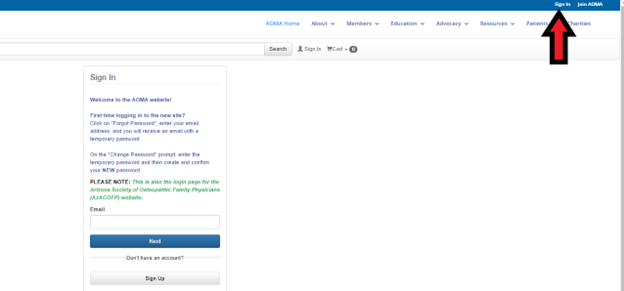
Log into your account on our website, azosteo.org.
In the upper right corner, click on sign in or, if it has your name, click on your name.
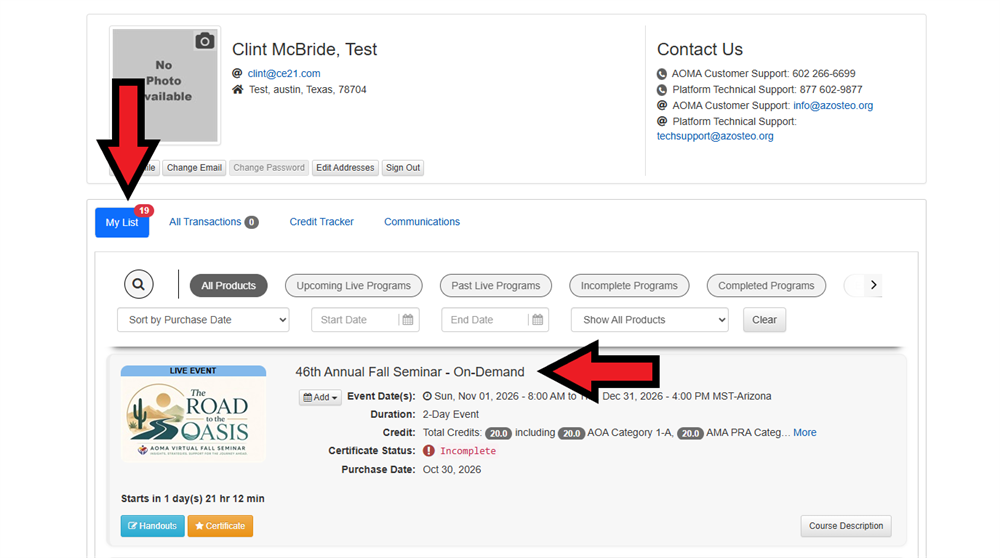
On your main account page, click the My List Tab, find the AOMA 46th Annual Fall Seminar.
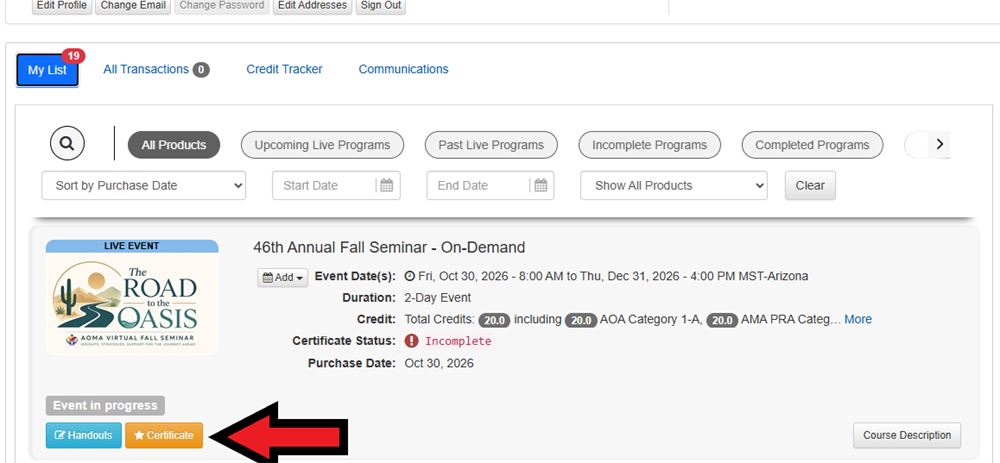
Click the gold certificate button.
Click on Customer Attendance Confirmation.
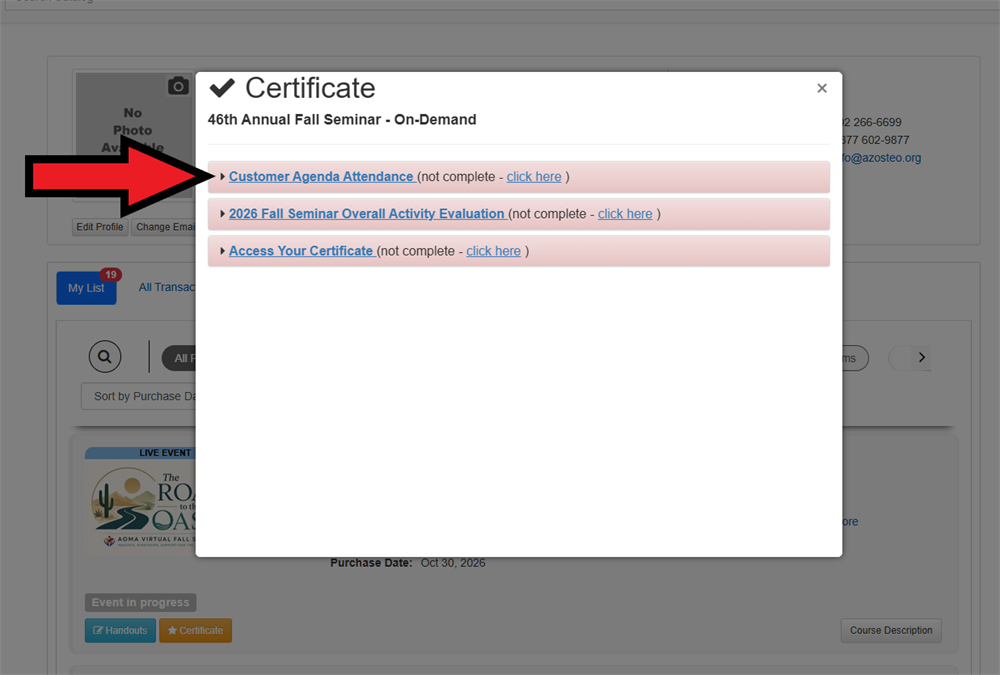
You must attest to each lecture you viewed to receive credit. Scroll to the bottom and click Submit before closing.
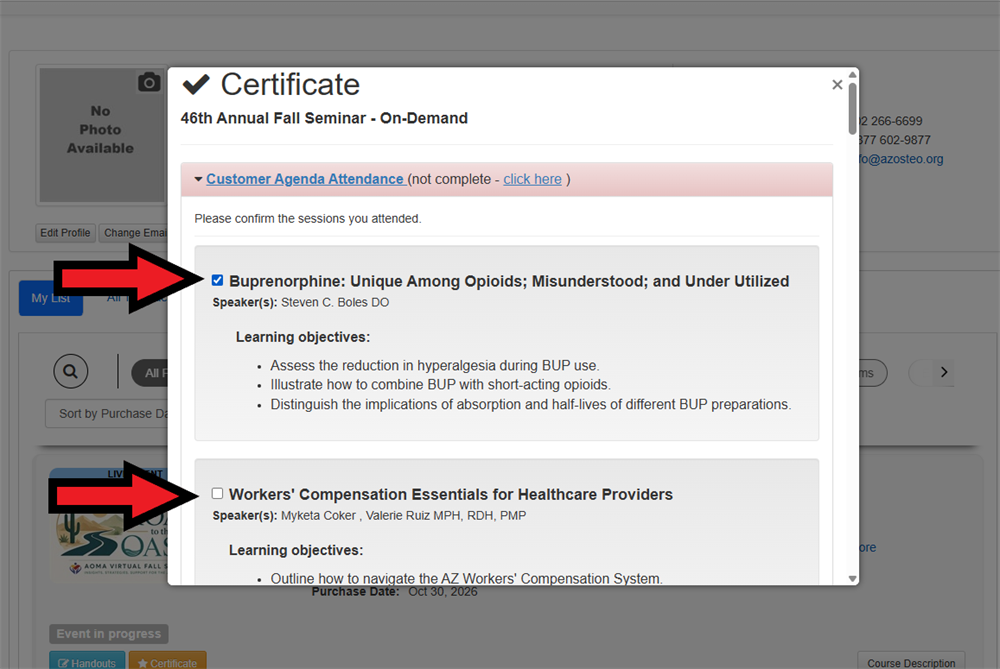
Please note: If you do not mark all viewed lectures in a single session, you will need to click the Edit button when returning to complete your updates.
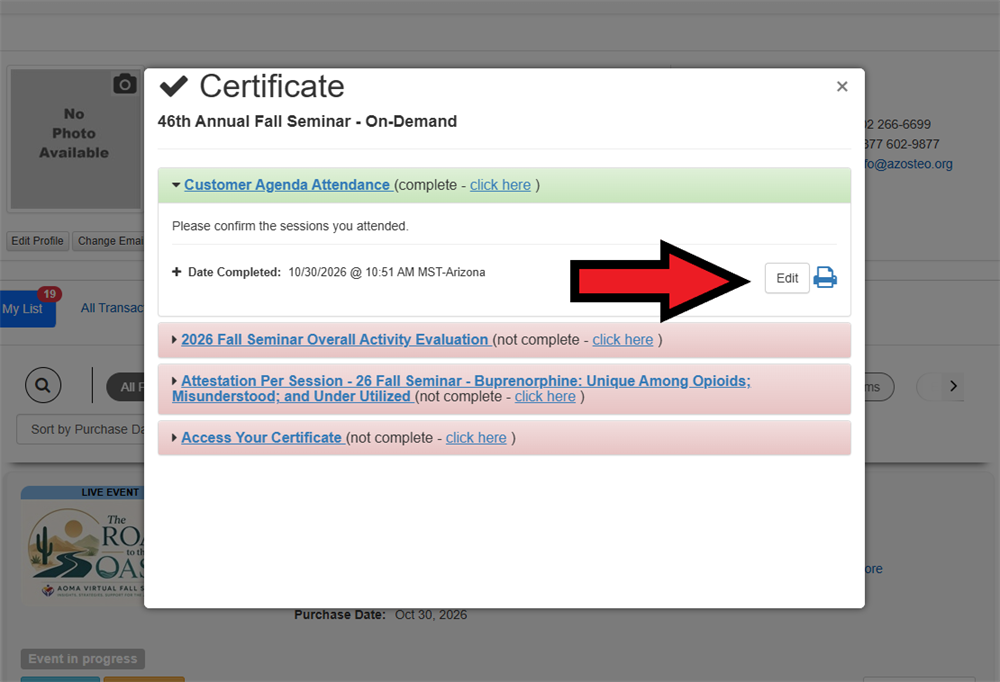
Below is the list of lectures you selected. Please click on each title to confirm your attendance (Attended or Did Not Attend). You'll also find a few optional feedback questions—your thoughts are always appreciated! Once finished, please scroll to the bottom and click Submit.
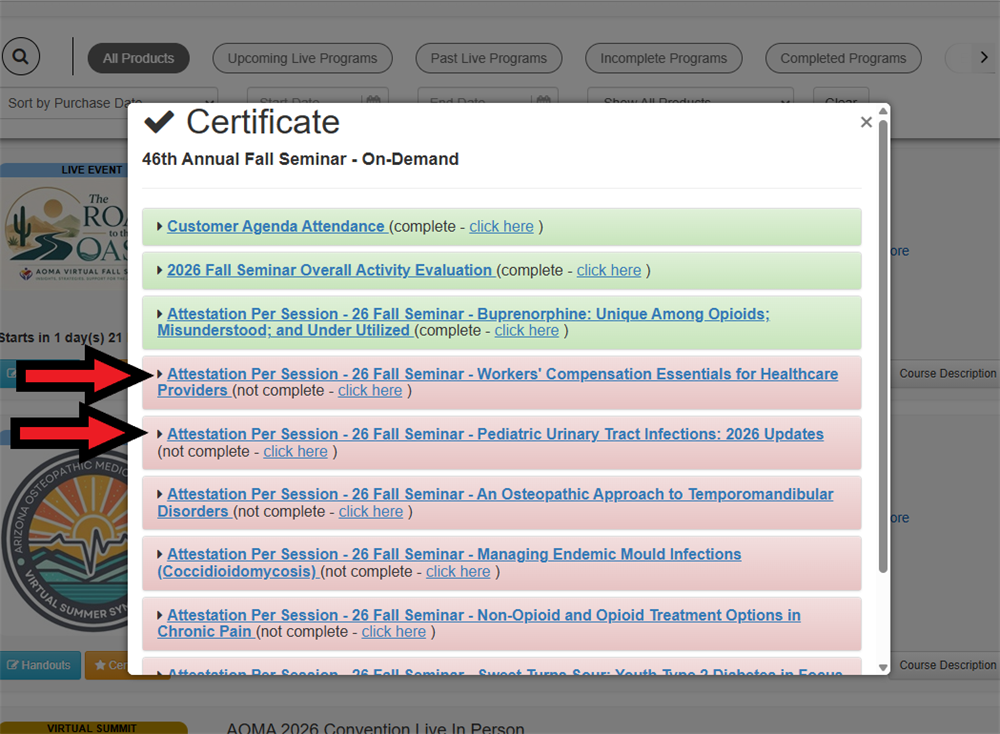
After attesting to the individual lectures, you must complete the Overall Activity Evaluation to print or email your CME certificate.
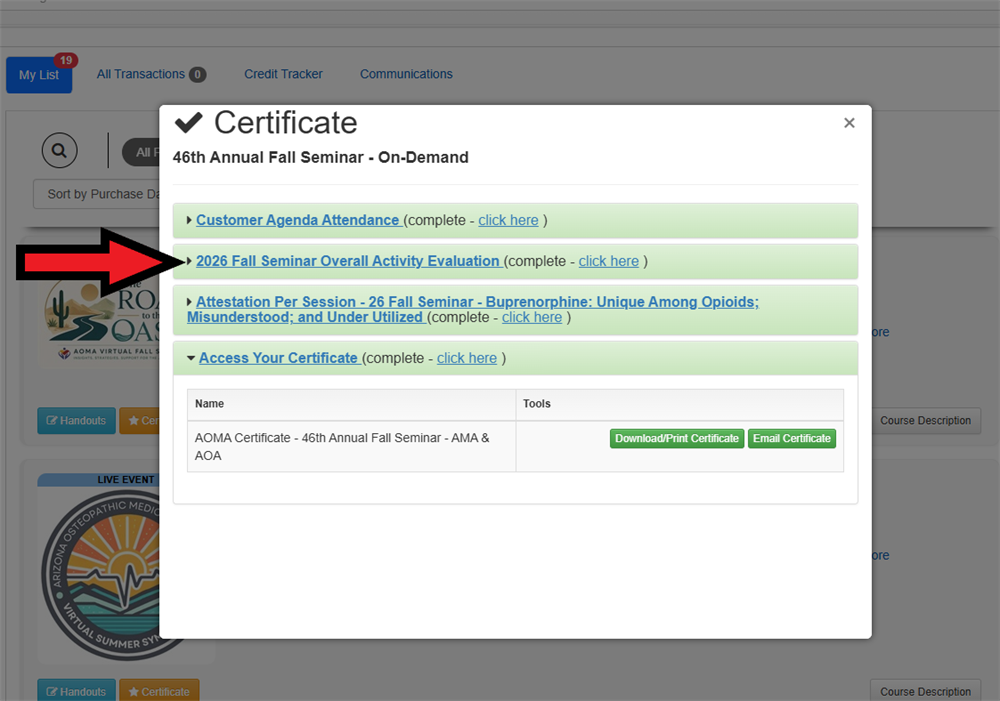
Complete both the Customer Attendance Confirmation and the Fall Seminar Overall Activity Evaluation to receive your CME certificate. Certificates cannot be printed until the event ends. CME certificates (including Opioid-Specific CME) will be emailed weekly on Fridays—excluding Friday, December 4, 2026—and your hours will be reported directly to the AOA.
To avoid additional fees for the issuance of CME credits for the AOMA 46th Annual Fall Seminar, all attestation forms MUST be completed by December 31, 2026. After this date, online access to the attestation forms will be closed and requests for CME credits from the AOMA 46th Annual Fall Seminar will be subject to a $25 fee.
Please contact Teresa Roland, Director of Education, at teresa@azosteo.org or 602-266-6699 with questions.
Learning objectives:
Learning objectives:
Learning objectives:
Learning objectives:
Learning objectives:
Learning objectives:
Learning objectives:
Learning objectives:
Learning objectives:
Learning objectives:
Learning objectives:
Learning objectives:
Learning objectives:
Learning objectives:
Learning objectives:
Learning objectives:
Learning objectives:
Learning objectives:
Learning objectives:
Learning objectives:
The following faculty and/or planning committee members have indicated that they may have a relevant financial relationship with an ineligible company that could be perceived as a potential conflict of interest.
Faculty Disclosures
Planning Committee Disclosures
All relevant financial relationships have been mitigated.
All other faculty and planning committee members have no relevant financial relationships with ineligible companies.
Off-Label Discussion
The Arizona Osteopathic Medical Association (AOMA) is accredited by the American Osteopathic Association (AOA) to provide osteopathic continuing medical education for physicians.
The AOMA designates this program for a maximum of 20.0 hours of AOA Category 1-A credits and will report CME and specialty credits commensurate with the extent of the physician's participation in this activity.
The Arizona Osteopathic Medical Association (AOMA) is accredited by the Accreditation Council for Continuing Medical Education (ACCME) to provide continuing medical education for physicians.
The AOMA designates this enduring activity for a maximum of 20.0 AMA PRA Category 1 Credits™. Physicians should claim only the credit commensurate with the extent of their participation in the activity.